Politics & Government
Valley Residents Live Longer, But Not Better
Report says Lehigh, Northampton counties fare worse than most in state on quality of life indicators.
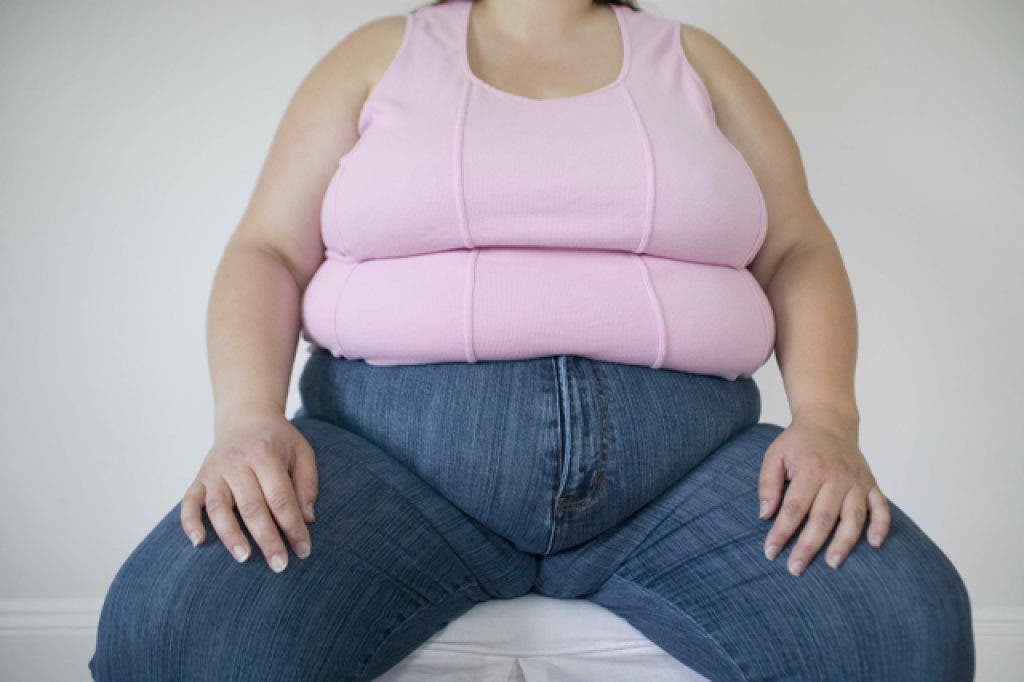
Lehigh Valley residents live longer than most Pennsylvanians but have a poorer quality of life, according to new health rankings.
Out of Pennsylvania’s 67 counties, Northampton County ranks 60th for residents’ morbidity – which takes into account such problems as days of feeling mentally or physically ill and incidence of low birth weight babies. Lehigh County fared better but still dropped from 32nd to 37th in morbidity this year.
That’s according to a report by the Robert Wood Johnson Foundation and University of Wisconsin Population Health Institute, which compile the county health rankings each year. A breakdown of the two counties’ rankings can be viewed here for Northampton County and here for Lehigh County.
Find out what's happening in Nazarethwith free, real-time updates from Patch.
Public health advocates say such results point to the need for a
“Those are measures of how healthy we are as a region,” said Steven Bliss, executive director of Renew Lehigh Valley, which works toward regionalization. “They make an ironclad case for why we need to do better on prevention, population health and environmental health, which would be exactly the focus of a regional public health department.”
Find out what's happening in Nazarethwith free, real-time updates from Patch.
A public health agency would be charged with conducting restaurant and child care center inspections, running vaccine clinics, tracking communicable diseases and food borne illnesses, working with pregnant women who might be at risk of having low birth-weight babies, among other tasks.
In Jan., Northampton County Council members voted to prohibit the Lehigh Valley Board of Health from using a private foundation grant to work toward creating a bi-county health department. But the volunteer health board is continuing to meet to craft a strategy for gaining support for such an agency. Health department opponents argue that the board has yet to show linkage between the work of a public health department and better health outcomes for the population.
In the 2011 county health rankings, Lehigh and Northampton counties fared better on the report’s rankings for mortality, which looks at length of life. Lehigh County ranked 21st out of 67 counties and Northampton came in ninth. Bliss suggested that the number of top-notch hospitals in the Valley is largely responsible for the counties having fewer premature deaths than in most of the state. “That’s a reflection of how good is your health system,” he said. “How well we do keeping people alive if they have a disease.”
On some health factors Valley residents fell near the state average. About 27 percent of Lehigh County adults and 29 percent of Northampton County adults are obese, compared with 28 percent of adult Pennsylvanians as a whole. Twenty-four percent of Lehigh County adults and 17 percent of Northampton County’s adults smoke, compared to 22 percent statewide, according to the report.
Lehigh County had a high rate of the sexually transmitted disease Chlamydia with 384 cases per 100,000 people. Northampton County only had 189; the state average was 340.
Lehigh County also had a higher teen birth rate of 38 births per every 1,000 young women ages 15-19. In Northampton County, that number was 24; the state average was 31.
Ilene Prokup, chairwoman of the Lehigh Valley Board of Health, said Thursday that she had not yet seen the county rankings report and so couldn’t comment on specifics. But she said public health departments work to educate the public on issues – such as obesity – that affect quality of life. Obese people are more at risk of Type 2 diabetes, which can lead to disabilities that keep adults from going to work and children from going to school, she said. That affects their quality of life and their ability to be productive citizens.
Bliss agreed. “It’s really a pay now and pay later sort of thing,” he said. “You pay up front for prevention or you pay down the road” for treatment and hospitalization.
